Work - Case studies for teams that need a clearer, harder-working website

These examples are not here to show visual style in isolation. They are here to show the kinds of practical problems the work is meant to solve: poor visibility, unclear first steps, confusing routes, scattered content, and structures that are awkward to maintain.

Some projects started with no website at all. Others had a site that existed but was not helping the organisation get found or understood. The common thread is making the public-facing experience clearer, easier to act on, and easier to keep accurate once it is live.

How to use this page

These examples are most useful when you are judging whether the work is a fit for a website that needs better visibility, clearer first steps, stronger route selection, or a more reliable content structure.

  • You need a site people can actually find and trust, not one that only exists in name.
  • You need first-time visitors to understand what happens before they enquire, book, or join.
  • One site has to serve different routes, offers, or content types without sending people in circles.
  • The team needs repeatable page patterns that stay usable after launch, not just a cleaner visual layer.

If you want a fast way to judge whether a case study is actually useful, see case study quick scan.

Selected case studies

Some of these projects started with no website at all. Others had a site that was hard to find or hard to use. Read them as examples of the kinds of problems the work is meant to solve: visibility, first-visit uncertainty, mixed audience routes, and site structures that need to stay workable over time.

She Unfolds

Web design, content structure, build

A first website for a women-only events brand

She Unfolds did not have a website when the project started. The new site needed to introduce the idea clearly and help local women understand the events before deciding to attend.
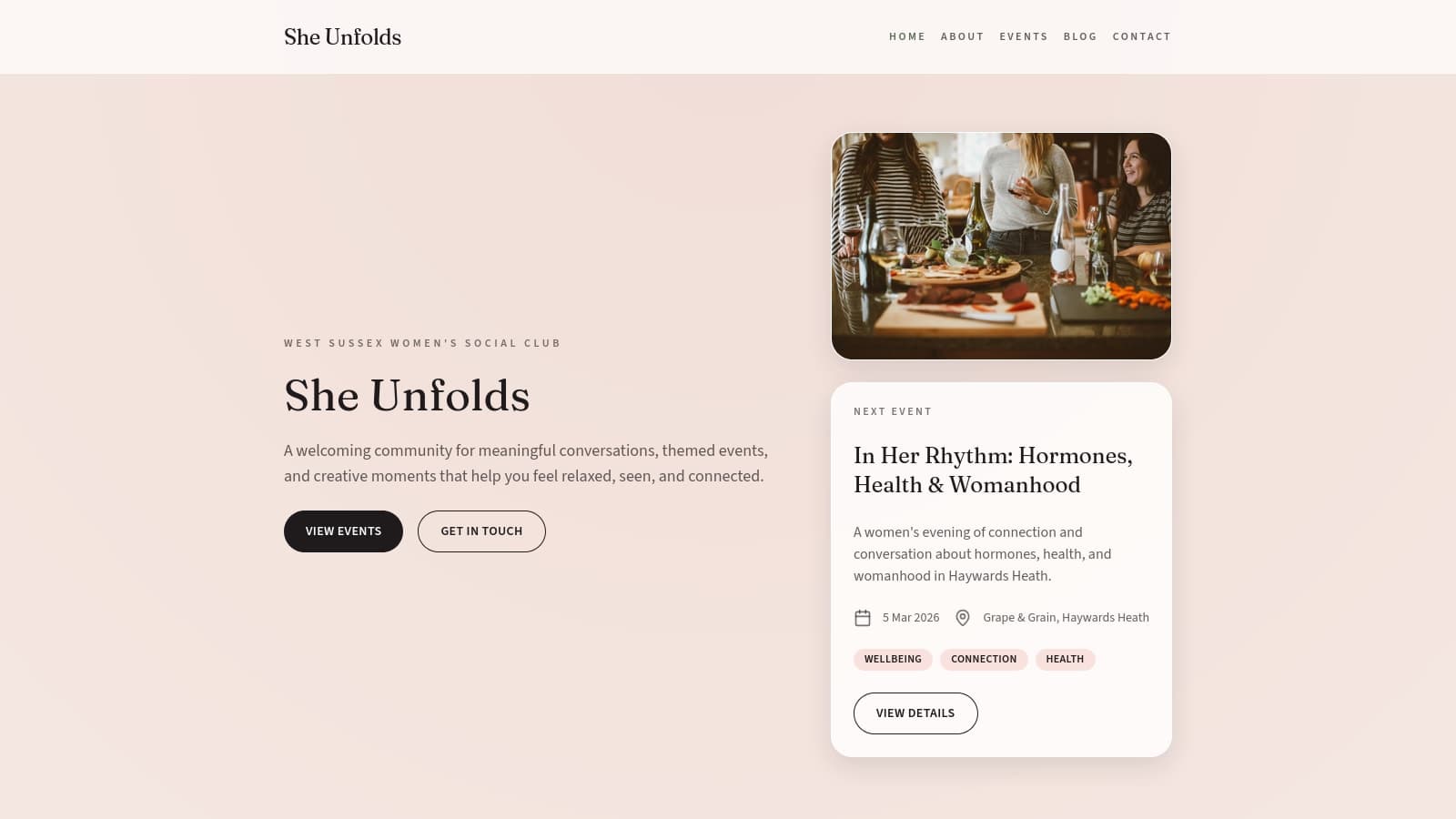
  • Built the first website around the questions potential attendees ask first: what She Unfolds is, who it is for, and what happens at an event.
  • Created a clear route into upcoming events, practical details, and booking information for people arriving from social media or word of mouth.
  • Gave the new women-only events brand a credible local presence in West Sussex.
Tonipress

Content structure and web design

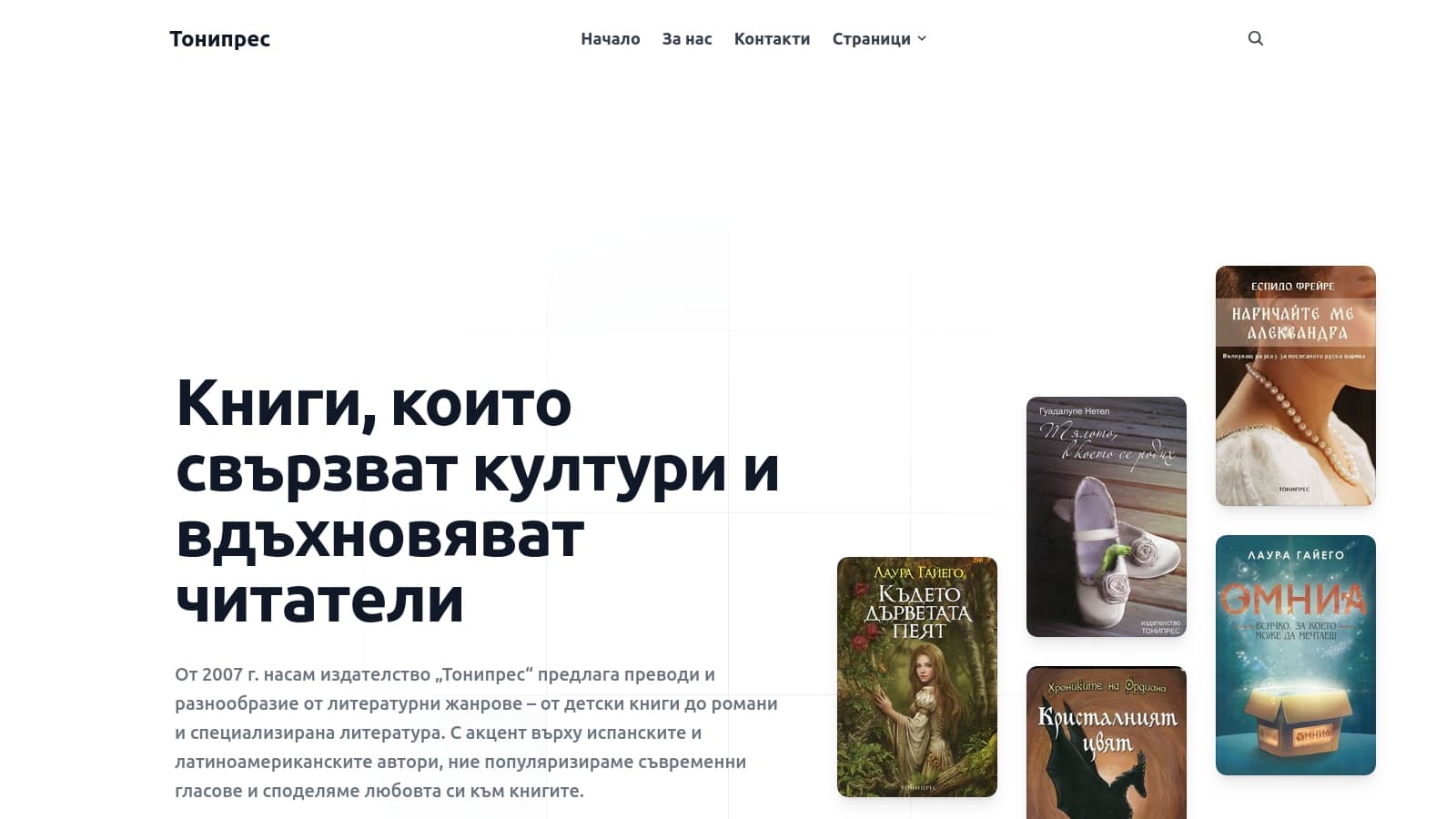
A first website for a publisher with a growing catalogue

Tonipress did not have a website when this project started. The goal was to create a credible web presence and make published books easy to browse by title, author, and category.

  • Created the publisher's first website around the core routes readers need: books, authors, categories, and contact.
  • Made the catalogue easier to explore by linking titles, authors, and browsing pages into one connected structure.
  • Set up repeatable page patterns so new books and updates can be added without rebuilding the layout each time.
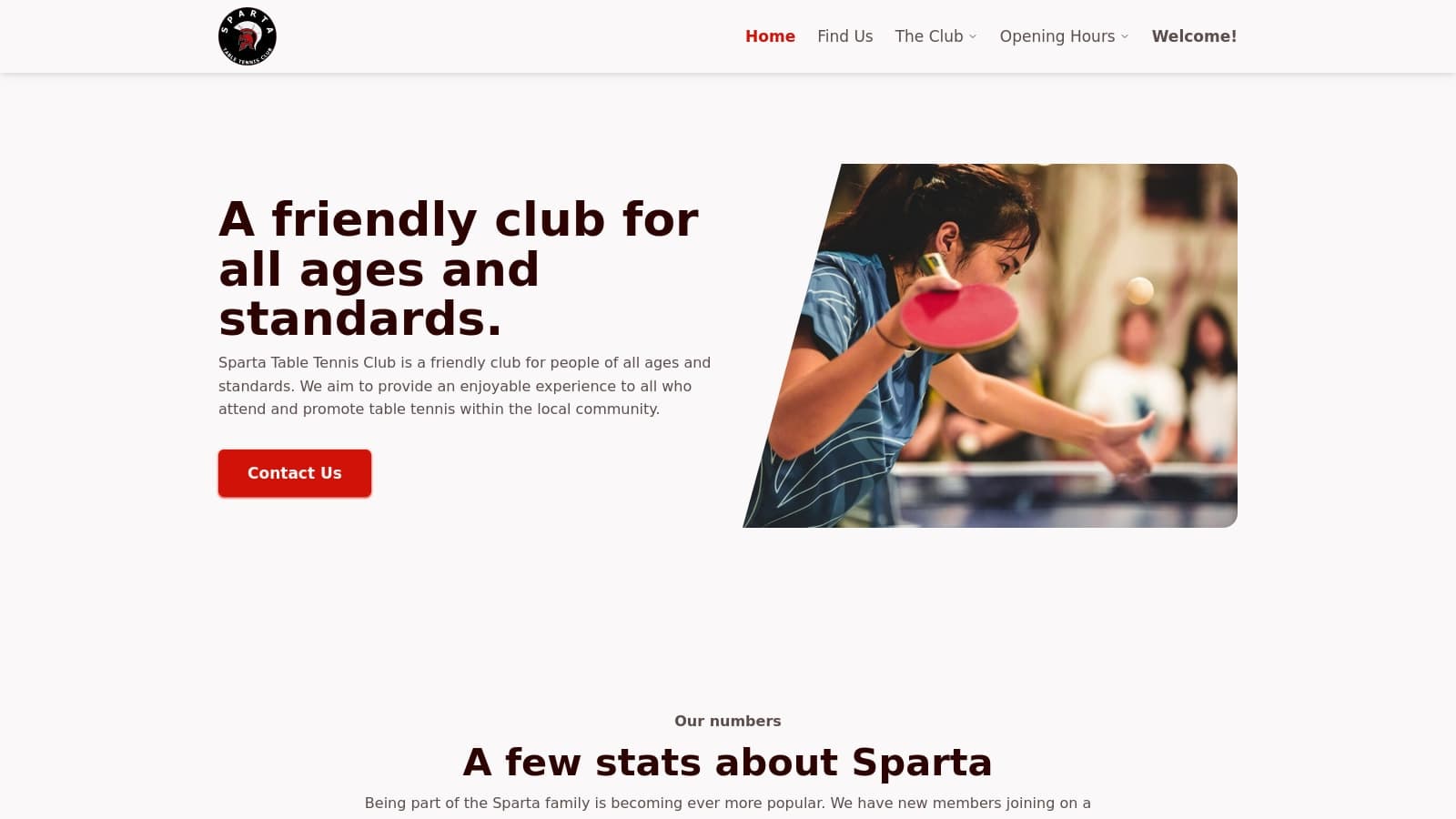
Sparta Table Tennis Club

Sparta Table Tennis Club

Web design and content structure

A club site that became easier to find and easier to join

Sparta Table Tennis Club needed to fix two problems at once: the old site was hard to find, and once people landed on it, the information and design did not make the club easy to understand.

  • Rebuilt the public story around the basics new players need first: where the club is, who it is for, and how a first visit works.
  • Made session types, opening hours, membership details, and contact-first guidance much easier to scan.
  • The clearer presence now supports regular enquiries; membership is currently full, with new interest handled through guest visits.
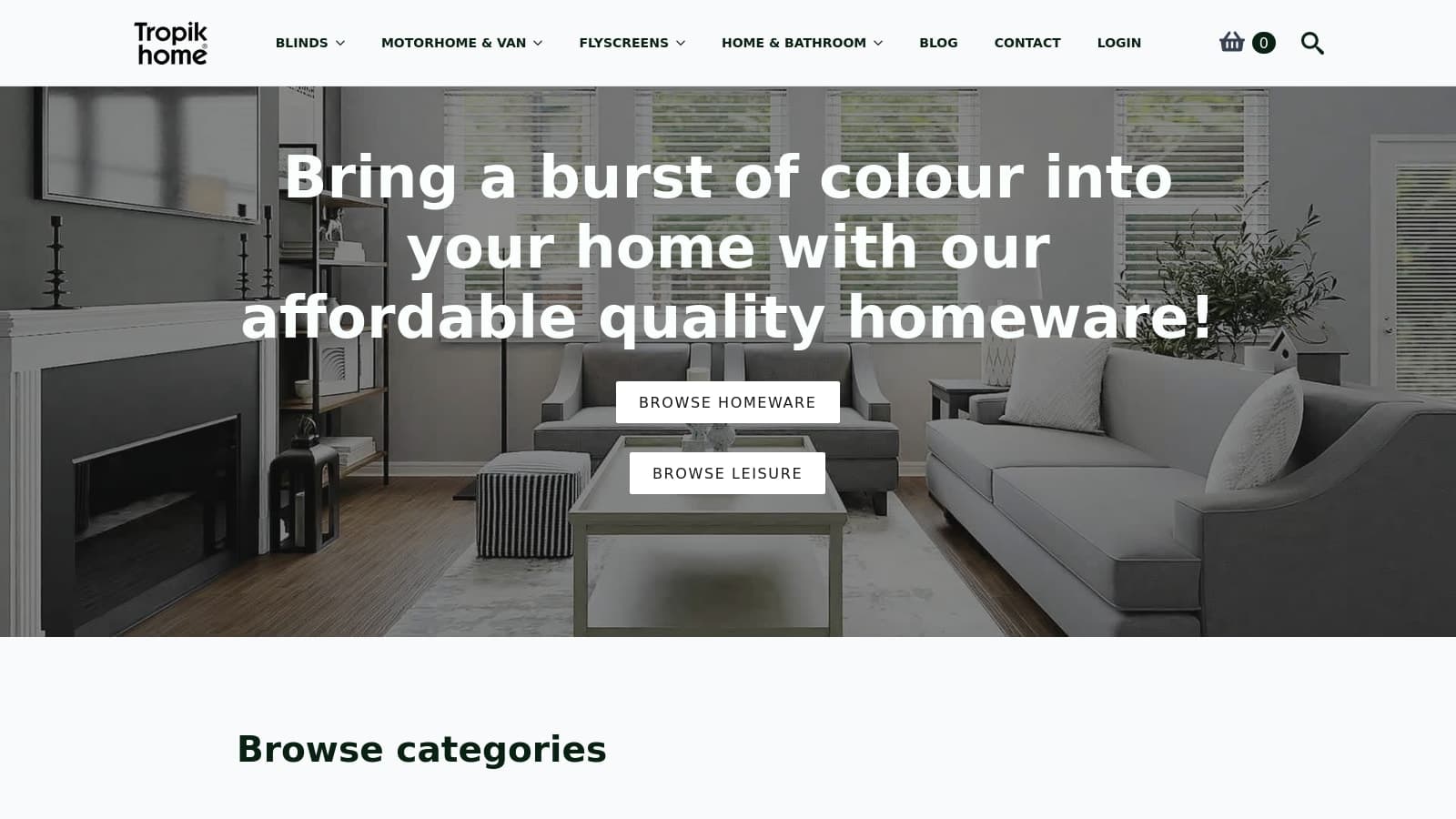
Tropik Home

Tropik Home

UX and web design

A catalogue that made the right products easier to find

Tropik Home needed shoppers to reach the right product range faster. The previous site made it harder than it should have been for people to find the products they were actually looking for.

  • Separated the main buying routes so visitors could tell quickly whether they needed blinds, flyscreens, motorhome and van products, or home items.
  • Reworked category and product pages so buying-critical details appear earlier in the journey.
  • Made it easier to move from browsing to comparison to contact without losing the thread.

What the work usually focuses on

The organisations differ, but the recurring problems are consistent. This is the thread that makes the work section useful to compare.

Stronger visibility and first impressions

Several projects start with a basic problem: people either could not find the organisation properly or could not judge it confidently once they landed on the site.

Cleaner routes when one site serves different needs

Several examples here deal with one site carrying multiple journeys. The job is to make route selection simpler without fragmenting the whole experience.

Repeatable structures the team can keep using

The work is not only about the first visit. It also covers how pages are organised so the site stays accurate and easier to update after launch.

Need the site to do a better job?

Send a short outline and we will come back within two working days with a sensible next step.

If you are still gathering input internally, start with the project pack.